

Why Every Business Needs a Professional Website in 2026
September 2, 2026Top Website Design Trends That Improve User Experience
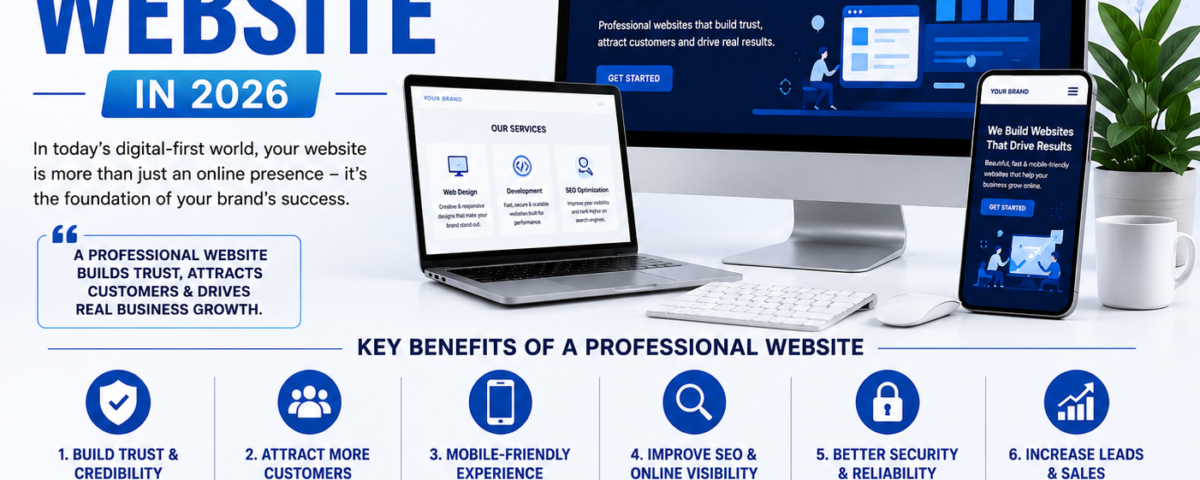
Top Website Design Trends That Improve User Experience
Top Website Design Trends That Improve User Experience for Iplexus Technology
Top Website Design Trends That Improve User Experience for I plexus Technology
Introduction
In today’s competitive digital environment, a website is often the first point of interaction between a business and its potential customers. A visually attractive website is important, but appearance alone is no longer enough. Modern users expect websites to be fast, easy to navigate, mobile-friendly, secure, and simple to use. This is why user experience has become one of the most important factors in modern website design.
Website design trends continue to evolve as technology, user behavior, and business requirements change. Businesses that adopt modern web design practices can create better experiences, increase visitor engagement, improve conversions, and build stronger brand credibility.
This article explores the top website design trends that improve user experience and explains why these trends are becoming increasingly important for businesses in 2026 and beyond.
1. Mobile-First and Responsive Website Design
Mobile devices are now used extensively for browsing websites, searching for products, comparing services, and making online purchases. As a result, mobile-first website design has become an essential approach to improving user experience.
A responsive website automatically adjusts its layout according to the screen size of the user’s device. Whether a visitor is using a smartphone, tablet, laptop, or desktop computer, the website should remain easy to read and navigate.
A good mobile-friendly website includes:
- Responsive layouts
- Easy-to-read text
- Touch-friendly buttons
- Optimized images
- Simple navigation
- Fast-loading pages
A poor mobile experience can cause visitors to leave a website quickly. By focusing on responsive design, businesses can provide a consistent experience across multiple devices.
2. Fast Website Speed and Performance
Website speed is one of the most important factors affecting user experience. Visitors expect pages to load quickly, and slow websites can increase bounce rates and reduce customer engagement.
Modern website design focuses heavily on performance optimization. Designers and developers use techniques such as image compression, optimized code, efficient hosting, caching, and lightweight design elements to improve loading speed.
Fast-loading websites offer several advantages:
- Better user experience
- Higher visitor engagement
- Improved conversion opportunities
- Reduced bounce rates
- Better search engine performance
Businesses should regularly test website speed and identify elements that may affect performance. A visually impressive website should never sacrifice speed unnecessarily.
3. Clean and Minimalist Design
Minimalist website design continues to be one of the most effective trends for improving user experience. A clean design helps visitors focus on important information without being distracted by unnecessary visual elements.
Modern websites often use:
- Clear layouts
- White space
- Simple color combinations
- Easy-to-read typography
- Limited visual distractions
- Focused calls to action
Minimalist design does not mean a website should look empty or boring. Instead, it means every element should have a clear purpose. Removing unnecessary clutter can make navigation easier and help users find the information they need faster.
4. Clear and Simple Website Navigation
Navigation plays a major role in determining how easily users can interact with a website. Visitors should be able to understand where they are and how to find important pages without confusion.
Modern website navigation trends focus on simplicity and accessibility. Menus should be logically organized, labels should be easy to understand, and important pages should be accessible within a few clicks.
Effective navigation may include:
- Clear menu structures
- Sticky navigation bars
- Search functionality
- Breadcrumb navigation
- Well-organized categories
- Mobile-friendly menus
Simple navigation reduces frustration and encourages users to explore more pages on the website.
5. Personalized User Experiences
Personalization is becoming increasingly important in modern website design. Users appreciate websites that provide relevant content and experiences based on their interests and behavior.
Personalization may include:
- Recommended products or services
- Location-based information
- Relevant content suggestions
- Customized calls to action
- Returning visitor experiences
When implemented responsibly, personalization can make users feel that the website is more relevant to their needs. However, businesses should balance personalization with privacy and data protection.
6. Accessibility-Focused Website Design
A good website should be usable by as many people as possible. Accessibility-focused web design ensures that users with different abilities can access and interact with website content.
Important accessibility practices include:
- Readable font sizes
- Good color contrast
- Keyboard-friendly navigation
- Alternative text for images
- Clear headings
- Accessible forms
- Descriptive links
Improving website accessibility creates a better experience for a wider audience. It also demonstrates that a business values usability and inclusivity.
Accessibility is no longer simply an additional feature. It is becoming an important part of professional website design and user experience planning.
7. Interactive Design Elements
Interactive website elements can improve engagement when used appropriately. Features such as animations, hover effects, interactive forms, progress indicators, and visual feedback can make a website feel more responsive and engaging.
For example, a button that changes visually when a user clicks it provides feedback that the action has been recognized.
However, interactive elements should improve usability rather than create distractions. Excessive animations or complex effects can slow down a website and confuse users.
The best interactive design is purposeful, simple, and optimized for performance.
8. Micro-Interactions for Better User Feedback
Micro-interactions are small visual or functional responses that occur when users interact with a website.
Examples include:
- Button animations
- Form validation messages
- Loading indicators
- Hover effects
- Notification messages
- Progress indicators
Although these elements may seem small, they can significantly improve the overall user experience. Micro-interactions help users understand what is happening and provide reassurance that their actions have been completed.
For example, displaying a confirmation message after a form submission gives users immediate feedback and reduces uncertainty.
9. High-Quality Visual Content
Visual content plays an important role in modern web design. High-quality images, videos, illustrations, and graphics can help communicate information quickly and make a website more engaging.
However, visual content should always support the website’s purpose. Large, unnecessary images can affect loading speed and reduce performance.
Businesses should focus on:
- Optimized images
- Relevant visuals
- High-quality photography
- Consistent branding
- Purposeful video content
Modern websites increasingly balance visual quality with technical performance to create a better user experience.
10. AI-Powered Website Experiences
Artificial intelligence is influencing how websites interact with visitors. AI-powered features can help businesses provide faster support, personalized content, and improved user experiences.
Examples include:
- AI chat support
- Personalized recommendations
- Intelligent search
- Automated customer assistance
- Content suggestions
AI can help users find relevant information more quickly and improve the efficiency of customer interactions.
However, AI features should be implemented carefully. Users should still be able to access important information and complete essential tasks without unnecessary complexity.
11. Strong Calls to Action
A well-designed website should guide users toward meaningful actions. Whether the goal is to request a quote, purchase a product, contact a business, or subscribe to a newsletter, calls to action should be clear and easy to find.
Effective calls to action should:
- Use clear language
- Stand out visually
- Explain the next step
- Appear in relevant locations
- Work properly on mobile devices
For example, buttons such as Get a Free Quote, Contact Us Today, or Learn More clearly communicate the action users can take.
Good call-to-action design helps improve usability and can also increase website conversions.
12. Consistent Branding and Design Systems
Consistency is essential for creating a professional user experience. A website should maintain consistent colors, typography, buttons, spacing, and visual elements across different pages.
A consistent design system helps users become familiar with how the website works. This reduces confusion and creates a more professional impression.
Strong branding can also help businesses build trust and recognition. When visitors experience consistent design and messaging, they are more likely to remember the business.
The Importance of User-Centered Website Design
The most important website design trend is not a specific color, animation, or technology. It is the shift toward user-centered design.
A successful website should be designed around the needs, expectations, and behavior of its target audience. Every design decision should consider whether it makes the website easier, faster, clearer, and more enjoyable to use.
Businesses should regularly review website performance, user behavior, navigation patterns, and conversion data. Continuous improvement helps ensure that a website remains relevant as user expectations change.
Conclusion
The best website design trends are those that improve the way users interact with a website. Mobile-first design, faster loading speeds, clean layouts, simple navigation, accessibility, personalization, interactive features, AI-powered tools, and strong calls to action can all contribute to a better digital experience.
Businesses that invest in professional and user-focused website design can improve customer engagement, build trust, and increase conversion opportunities.
In 2026 and beyond, a successful website will not simply focus on looking modern. It will focus on being useful, fast, accessible, secure, and easy to use. By following the latest website design trends that improve user experience, businesses can create digital platforms that support long-term growth and provide real value to their customers.
